


Hyundai's second compact SUV for India comes with a generative AI voice assistant, 70+ connected features and a 1.5L petrol engine.
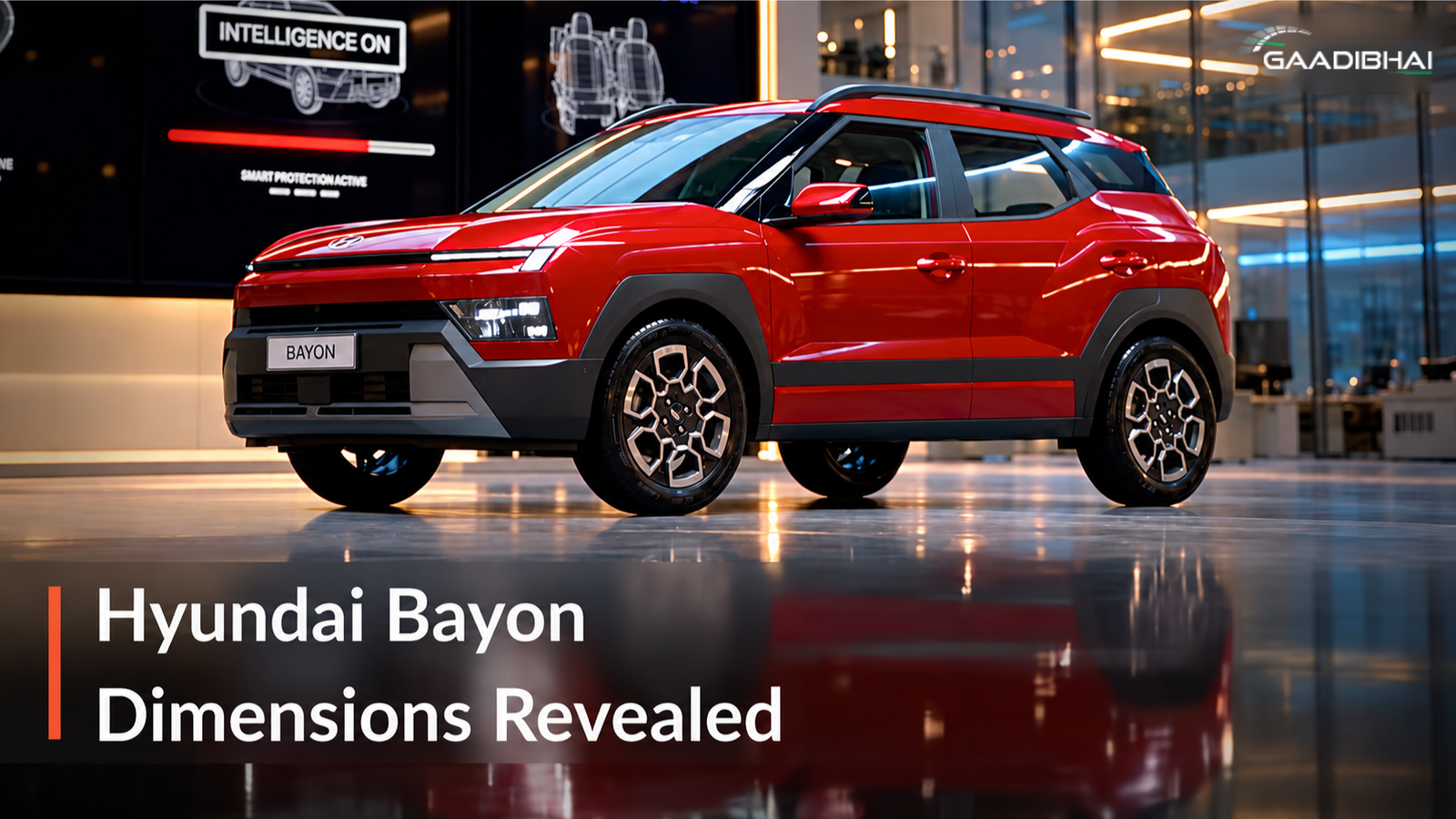
Hyundai Motor India Limited (HMIL) unveiled the India-spec Bayon on October 12, 2026 in Gurugram. Calling it an “Intelligent Utility Vehicle”, Hyundai has introduced the SUV under the theme “Intelligence That Moves”. The Bayon is scheduled to launch on 26 October 2026, and bookings are already open.
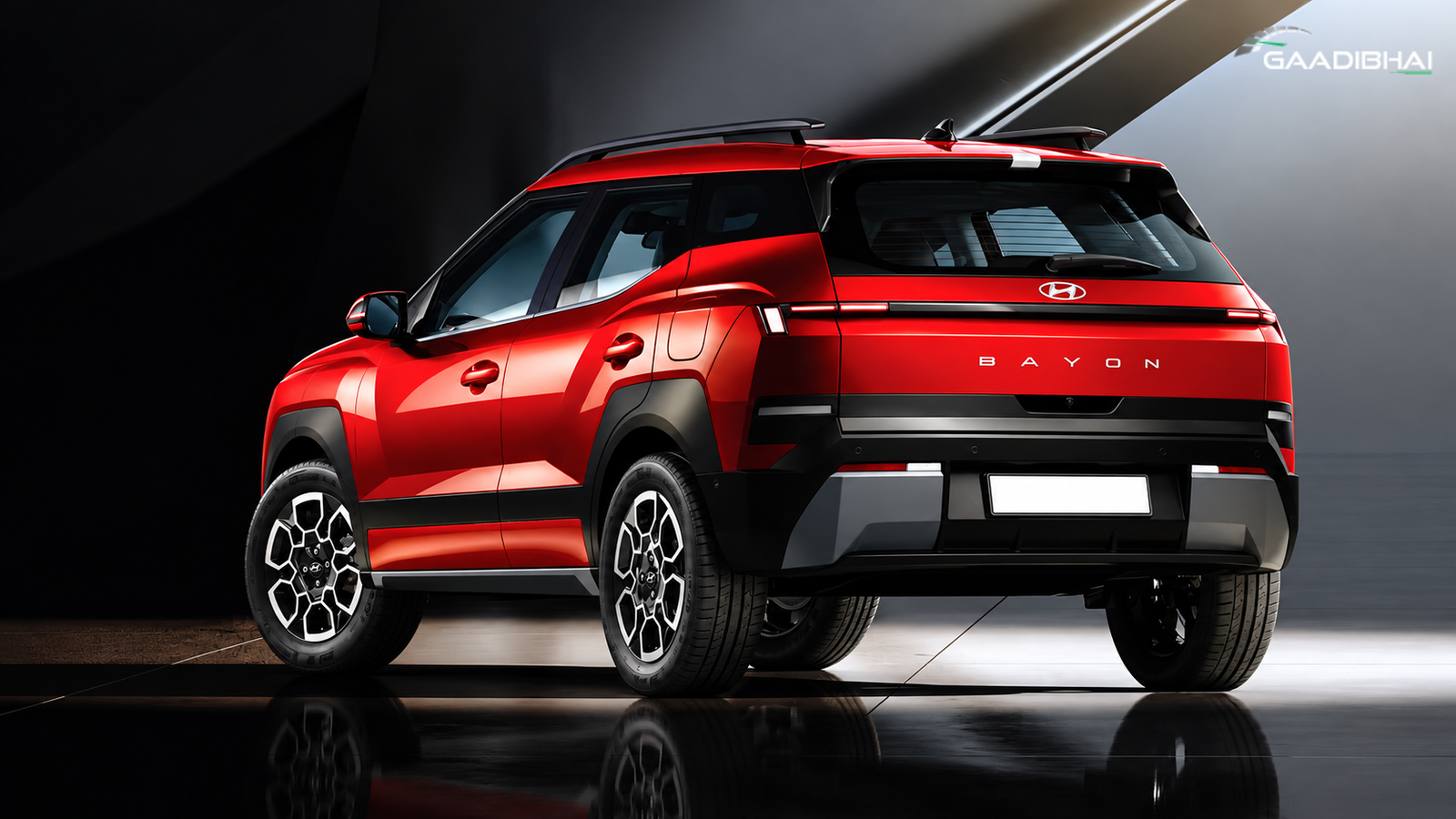
Key Highlights
- Generative AI Voice Assistant: HMIL's first, featuring Intelligence by Perplexity and Voice AI powered by SoundHound AI.
- NVIDIA-accelerated ccNC: Connected Car Navigation Cockpit with connected services and an intuitive interface.
- Over-the-air updates: Up to 19 controllers support C-OTA updates.
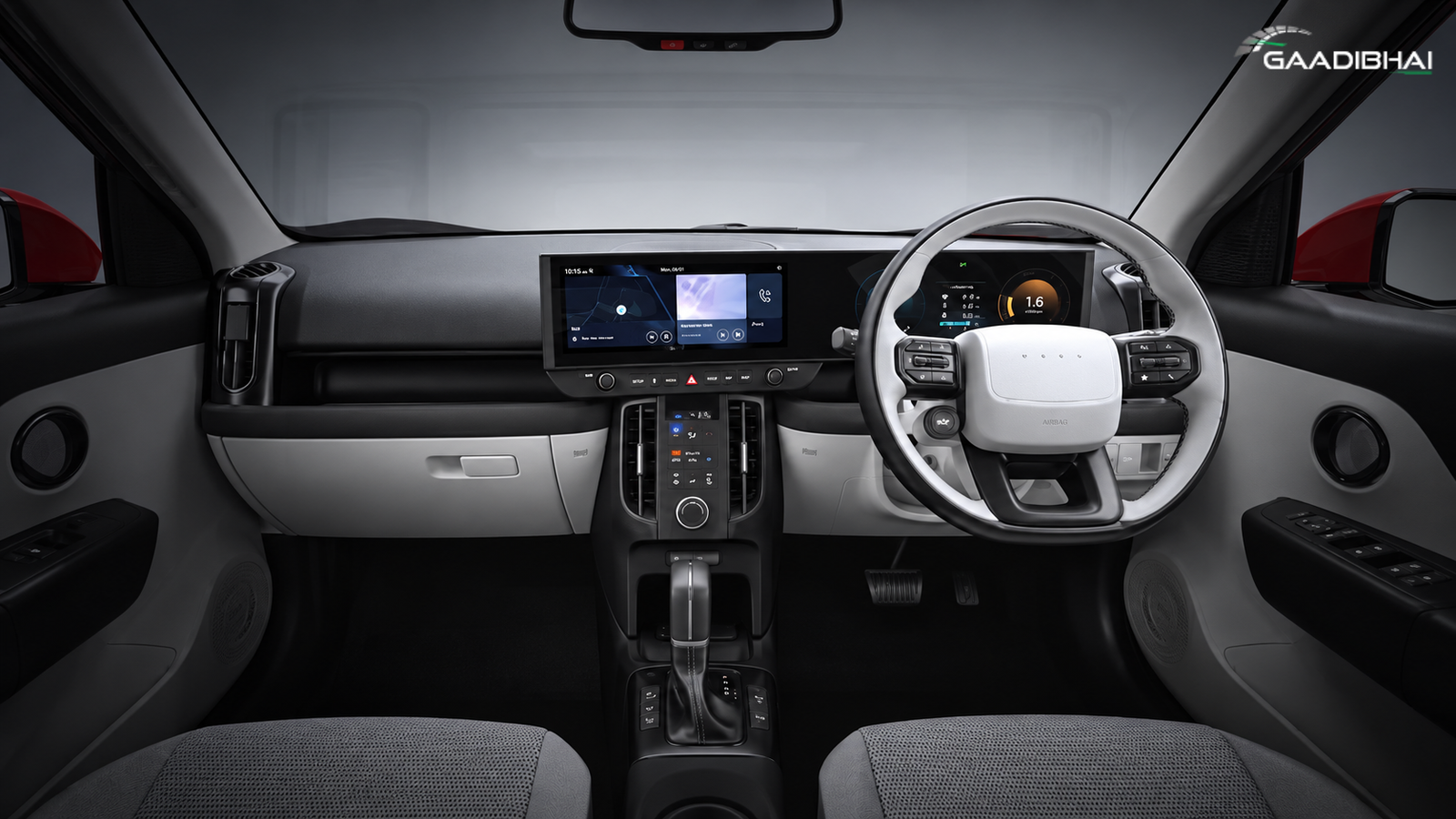
- Displays: Dual 62.5 cm (12.3" + 12.3") curved panoramic screens.
- Hyundai Bluelink: More than 70 connected features.
- Engine: 1.5L four-cylinder MPi petrol with 6-speed manual or IVT.
- Languages: 10 regional and 2 international languages on screen, plus 500+ embedded voice commands.
Dimensions
| Parameter | Hyundai Bayon |
|---|---|
| Length | 4245 mm |
| Width | 1810 mm |
| Height | 1570 mm |
| Wheelbase | 2600 mm |
| Boot Space | 440 litres |
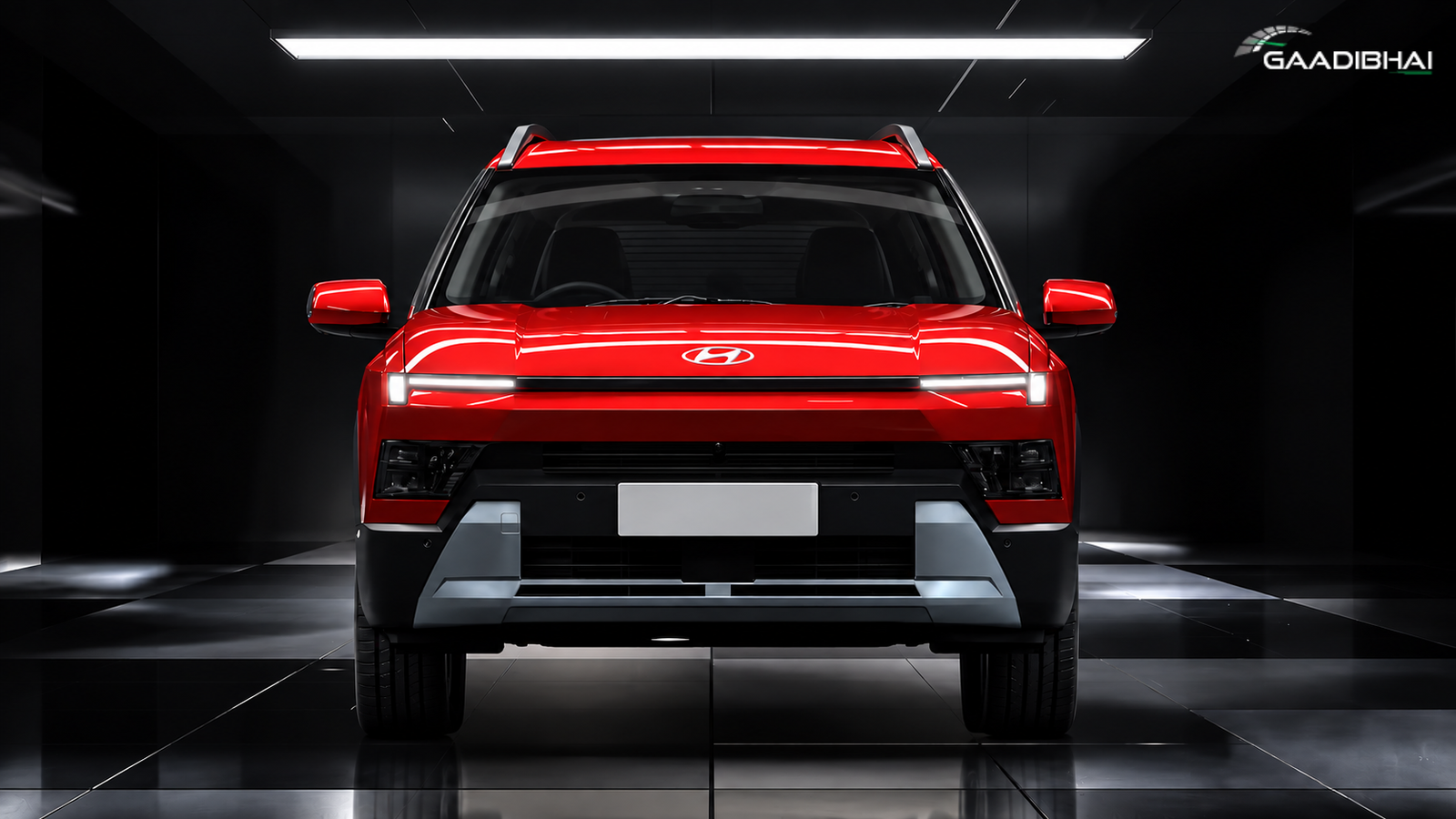
- At 4245 mm long, the Bayon is about 230 mm longer than the Venue and 85 mm shorter than the current-generation Creta.
- The Creta is due a new generation in early 2027, with its length expected to grow to around 4.5 metres.
- It is 20 mm wider than the current Creta.
- It is about 65 mm shorter than the Creta in height due to its crossover-like styling.
Generative AI Voice Assistant
The Bayon's biggest talking point is its conversational voice assistant. Traditional in-car systems rely on fixed commands, while this one understands everyday, natural requests. A driver can ask it to plan a road-trip itinerary, check live weather, suggest hotels and restaurants at a destination, list the top five shopping spots nearby, or share sports scores.
Connected Car Navigation Cockpit (ccNC)
Accelerated by NVIDIA, the ccNC combines advanced graphics, connected services and simple controls. It offers online onboard navigation, a personalised control panel, split-screen functionality and smartphone-style quick controls.
Over-the-Air Updates
The Bayon can receive remote software updates across up to 19 controllers, so owners won't need a dealership visit for every update. Hyundai says this means faster feature rollouts, reduced maintenance needs and improved safety and security.
Curved Dual Displays
The two 12.3-inch curved panoramic displays form a unified interface for driving information, navigation, entertainment and connected functions. Individual user profiles allow personalised settings.
Hyundai Bluelink
Hyundai Bluelink includes remote start/stop, connected vehicle information, remote vehicle controls, smartphone and smartwatch connectivity, location and navigation services, and safety and security features.
Built for India's Language Diversity
The infotainment and cluster screens support 10 regional and 2 international languages. There are also 500+ embedded voice commands in English, Hindi, Hinglish, Tamil, Bengali and Telugu, which work offline for several in-car functions.
Powertrains
The Bayon will be offered with a 1.5-litre petrol engine, paired with a manual or automatic transmission option.
| Engine | 1.5-litre four-cylinder MPi petrol |
| Power | 115 PS (84.4 kW) |
| Torque | 144 Nm (14.7 kgm) |
| Transmission | 6-speed MT / IVT |
MT – Manual Transmission, IVT – Intelligent Variable Transmission (automatic)
Company Position
HMIL says the Bayon places technology and convenience at the centre of the customer experience. It positions the SUV as a blend of AI, advanced connectivity and software-driven innovation, aimed at an intuitive, evolving and personalised driving experience.
Launch Date, Bookings & Rivals
The Hyundai Bayon launches on October 26, 2026. Bookings are open online and at authorised dealerships for INR 11,000. Deliveries begin during the festive season, with detailed timelines at launch.
Its rivals include the Kia Seltos, Renault Duster, Skoda Kushaq, Volkswagen Taigun, Maruti Victoris and Grand Vitara, Toyota Urban Cruiser Hyryder, Nissan Tekton, Tata Sierra, Citroen Aircross X, Honda Elevate and MG Astor.